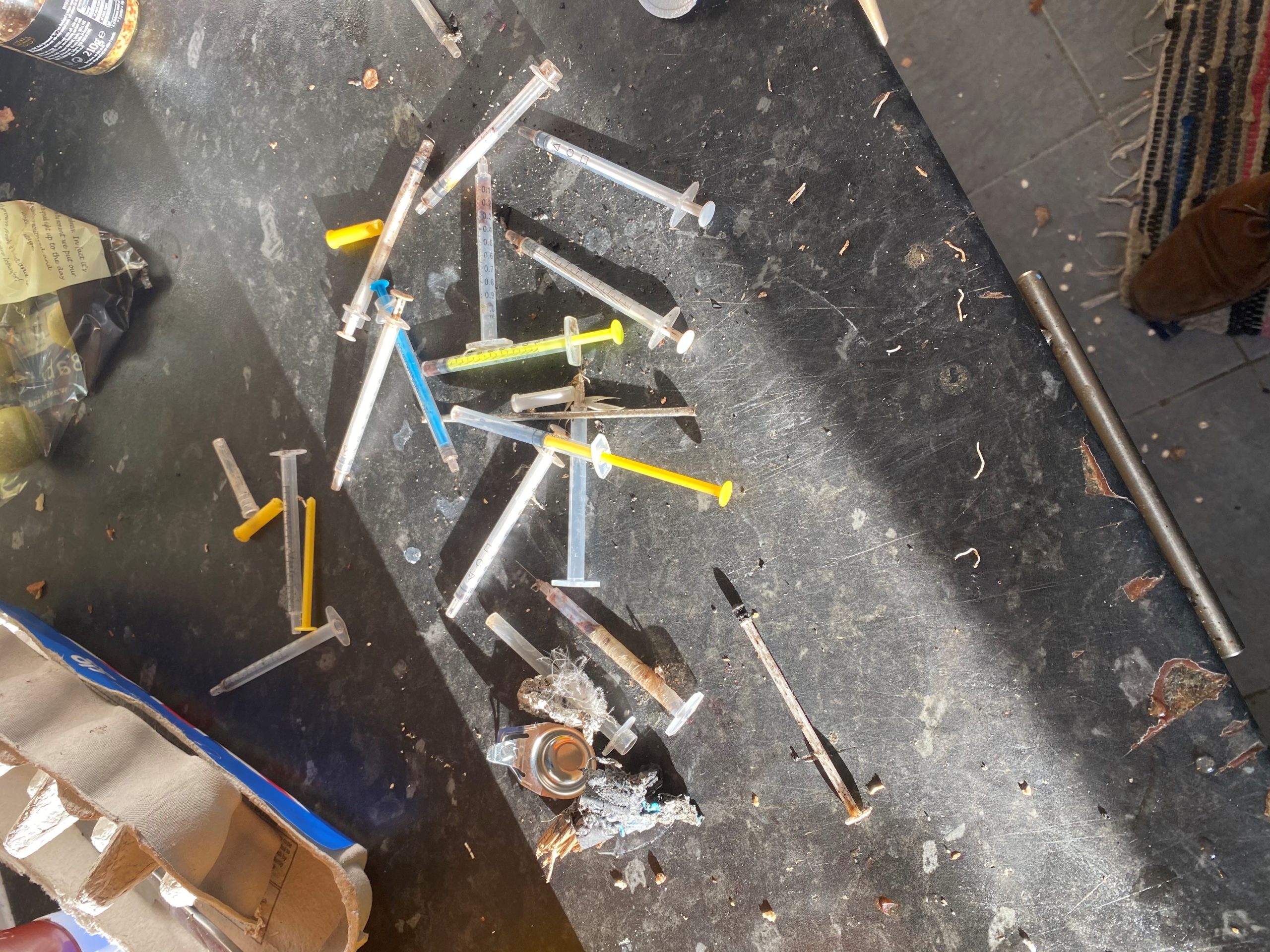
Discarded needles and sharps are one of those hazards that most people don’t think about until they suddenly have to deal with one. Whether it’s a housing association managing communal spaces, a business running a public-facing premises, or a landlord handling a vacated property, unexpected sharps waste can present serious risks — and requires a safe, compliant response.
In this article, we’ll break down why sharps removal matters, the dangers involved, who carries legal responsibility, and why calling trained professionals is essential.
What Counts as a “Sharp”?
In a professional cleaning context, sharps include more than just syringes. They typically refer to:
- Needles
- Injection pens
- Razor blades
- Broken contaminated glass
- Tattooing or piercing equipment
- Any object capable of puncturing skin that may carry infectious material
These items often appear in public toilets, alleyways, multi-occupancy buildings, workplaces, vacant properties, or areas affected by drug use.
Why Improper Sharps Handling Is Dangerous
It’s easy to underestimate the risk of a single discarded needle — but the consequences can be severe:
1. Risk of Needle-Stick Injuries
One accidental prick can expose a person to bloodborne pathogens such as:
- Hepatitis B
- Hepatitis C
- HIV
- Bacterial infections
Even a low-visibility scratch while sweeping or picking up waste can lead to exposure.
2. Legal & Duty-of-Care Obligations
Landlords, employers, councils, and property managers have a responsibility to ensure:
- Safe environments for staff and residents
- Proper disposal of hazardous waste
- Compliance with UK waste regulations and Health & Safety Executive (HSE) guidance
Failing to deal with sharps correctly can lead to enforcement action, insurance issues, and reputational damage.
3. Public Health Concerns
Uncollected sharps create risks for:
- Cleaners
- Maintenance teams
- Tenants
- Children
- Pets
- General members of the public
This makes swift removal essential.
Why You Should Never Remove Sharps Yourself
It’s tempting to think a glove and a sturdy bin bag will do the job — but DIY sharps removal is one of the most dangerous shortcuts in property management.
Professionals use:
- Puncture-resistant sharps containers
- Heavy-duty PPE
- Tongs or specialist tools
- Disinfection protocols
- Documented hazardous-waste disposal routes
Skipping any of these steps increases risk dramatically.
Additionally, UK law requires that sharps waste is disposed of through a licensed clinical/hazardous waste contractor — not general waste streams.
How a Professional Sharps Removal Service Works
Here’s what you can expect when you call a trained team such as One Call Environmental:
1. Rapid Response
Needles must be removed quickly, especially in public or high-traffic areas.
2. Site Risk Assessment
Technicians assess the area to identify:
- Quantity and type of sharps
- Contamination risks
- Additional biohazards (fluids, drug paraphernalia, etc.)
- Safety controls needed
3. Safe Removal Using Specialist Equipment
Sharps are collected using approved containers and tools to prevent injury and contamination.
4. Decontamination of the Area
This may include:
- Cleaning
- Disinfecting
- Biohazard treatment
5. Licensed Disposal
All waste is transported and processed through legal hazardous-waste channels.
You receive documentation for compliance, records, and peace of mind.
Who Should Have a Sharps Response Plan?
If you manage or operate any of the following, a sharps protocol is essential:
- HMOs and rental properties
- Public toilets
- Car parks and alleyways
- Commercial premises
- Pubs, clubs, and entertainment venues
- Parks and community spaces
- Housing associations
- Emergency accommodation
- Vacant/abandoned properties
- Hospitality and retail businesses
Having a trusted specialist service on call keeps your staff, tenants, and customers safer.
Preventing Sharps-Related Incidents
While it’s impossible to guarantee a property will never encounter sharps, you can reduce risks:
- Maintain good lighting in communal areas
- Conduct regular property inspections
- Train staff in hazard awareness
- Provide secure waste facilities
- Address signs of substance misuse early
- Use CCTV in high-risk zones (following GDPR and local guidance)
Proactivity + a reliable cleanup partner = fewer incidents and faster resolution.
Final Thoughts
Sharps removal isn’t just about cleaning up an unpleasant mess — it’s about safeguarding people. Handling contaminated needles or blades without proper training puts individuals and businesses at risk, legally and medically.
A professional service ensures:
- Safe handling
- Full compliance
- Fast resolution
- Peace of mind
Needles or sharps found on your property? Don’t risk it — let trained specialists handle it.
One Call Environmental provides fast, compliant sharps removal and biohazard cleaning across Oxfordshire and the surrounding areas.
📞 Call us now for immediate assistance: [insert phone number]
Leave a Reply